

After Braces or Invisalign: Why Retainers Matter in Crestview Hills, KY
After braces or Invisalign, retainers matter because they help keep your teeth in their new positions and protect the smile you worked hard to achieve. Orthodontic treatment creates meaningful change, but your teeth, gums, and surrounding bone still need time and long-term support to hold those results. At Rechtin Jacobs Orthodontics, we see retention as an important part of complete orthodontic care, not just a final step after treatment. Our practice is built around personalized, family-focused care in Crestview Hills, and that same approach carries through every stage of your smile journey.
This Article will address
- Why retainers matter after braces or Invisalign
- Whether everyone needs retainers after braces
- Why teeth do not always stay straight on their own
- What can happen if you stop wearing your retainer
- How often retainers may need to be replaced
- Why post-treatment retention is an important part of long-term orthodontic care
- What to do if a retainer is lost, tight, or no longer fits
Why Do Retainers Matter After Braces or Invisalign?
Retainers matter because straight teeth do not automatically stay in place forever. After braces or Invisalign, your smile needs support while your mouth adjusts to its new alignment. Retainers help preserve the results of orthodontic treatment, support bite stability, and reduce the chance that teeth will drift out of position over time. This is true whether you completed treatment with traditional braces or clear aligners. Rechtin Jacobs Orthodontics emphasizes that retainers are essential for preventing teeth from shifting back and for protecting your long-term results.
For many patients, the excitement of finishing treatment can make it feel like the process is over. In reality, retention is what helps your investment last. A beautifully aligned smile deserves ongoing protection, and a properly fitted retainer plays a major role in maintaining that outcome. At our Crestview Hills practice, we take a personalized approach so patients and families understand exactly how to protect their smile after active treatment ends.
Does Everyone Need Retainers After Braces?
In all cases, yes, retainers are recommended after braces. Teeth can shift after orthodontic treatment, even when the final result looks excellent on the day braces come off. Retention is a normal part of orthodontic care because the mouth is dynamic, and changes can happen over time if teeth are not supported. Rechtin Jacobs Orthodontics notes, in most cases, that retainers are worn full-time at first and often transition to nighttime wear to help maintain alignment long-term.
That does not mean every patient has the exact same retainer plan. Some people may need different wear schedules, different retainer types, or a combination of fixed and removable retainers depending on their bite, age, treatment history, and long-term goals. Our role is to guide each patient with a plan that fits their smile and their lifestyle. This personalized approach reflects the way our practice cares for kids, teens, and adults throughout Northern Kentucky.
Why Retention Plans Are Different for Every Smile
Every smile responds to orthodontic treatment in its own way. Some patients may need more support in certain areas, while others may benefit from a retainer design that fits more naturally into their routine. That is one reason follow-up guidance matters, we always recommend attending retention appointments as instructed by your doctor. A one-size-fits-all approach is rarely the best long-term plan for orthodontic retention.
Why Orthodontic Supervision Still Matters After Treatment
Even after active treatment ends, professional guidance remains valuable. If a retainer starts to feel tight, loose, or uncomfortable, early evaluation can help prevent larger issues. Retention works best when it is monitored and adjusted as needed.
Why Don’t Teeth Stay Straight After Braces?
Teeth do not always stay straight on their own because orthodontic movement changes the position of teeth, but the surrounding bone, ligaments, and soft tissues still need time to adapt. On top of that, everyday forces such as chewing, clenching, tongue pressure, and natural aging can gradually influence tooth position. Rechtin Jacobs Orthodontics specifically notes that factors like muscle memory and aging can contribute to tooth movement after treatment.
This is why retainers are such an important part of long-term orthodontic care. Without them, even small changes can add up. A minor shift may not seem significant at first, but over time it can affect the look of your smile and, in some cases, the way your teeth fit together. Patients often assume that once teeth are straight, they will simply stay that way. In reality, retention is what helps preserve those results.
Why Teeth Naturally Want to Shift
Your mouth is always under pressure from normal daily function. Teeth are not fixed permanently in one position without support. That is why subtle movement can happen over time, even years after treatment.
Why Retainers Help Protect Orthodontic Results
Retainers help hold your teeth where they belong while your mouth adjusts. They are designed to maintain your alignment, reduce relapse, and support the long-term stability of your orthodontic outcome.
What Happens If You Stop Wearing Your Retainer?
If you stop wearing your retainer, your teeth may begin shifting back toward their previous positions. Sometimes that change is gradual. In other cases, patients notice it quickly when their retainer suddenly feels tight or no longer fits the way it used to. Rechtin Jacobs Orthodontics advises patients not to go prolonged periods without their retainer because doing so can allow teeth to move.
The longer a retainer is left out of your routine, the greater the chance that alignment changes may become harder to reverse. In mild cases, a new retainer may help maintain what remains of your result. In more advanced cases, additional orthodontic treatment may be needed to correct significant relapse. That is why it is so important to act early rather than waiting and hoping things settle on their own.
Signs Your Teeth May Be Shifting
- Your retainer feels tighter than usual
- Your retainer does not seat fully
- You notice small gaps or crowding returning
- Your bite feels slightly different
- The fit of your teeth has changed when you chew or close your mouth
What to Do If Your Retainer No Longer Fits
Do not force it into place, as this can cause potential health risks to teeth. If a retainer no longer fits correctly, the best next step is to contact your orthodontist promptly. Early intervention may help prevent more noticeable movement and give you more options for protecting your smile.
How Often Should You Replace a Retainer?
There is no single replacement schedule that fits everyone. How often a retainer should be replaced depends on the type of retainer, how often it is worn, how well it is cared for, and whether it has been damaged or warped. Rechtin Jacobs Orthodontics explains that visible wear, looseness, discomfort, or poor fit are signs that a retainer may need adjustment or replacement.
Some retainers last for years when they are cleaned properly and stored carefully. Others need replacement sooner because of cracks, distortion, loss, or normal wear. The key is not to guess. If your retainer looks worn or feels different, it is worth having it checked. A retainer that no longer fits well may not protect your alignment the way it should.
Signs It May Be Time for a New Retainer
- Cracks or visible wear
- A looser fit than before
- Tightness that was not there previously
- Warping from heat exposure
- Buildup that does not come off with cleaning
- Damage from pets or accidental bending
- A lost retainer with no backup available
How Proper Retainer Care Can Help It Last Longer
Rechtin Jacobs Orthodontics recommends cleaning retainers daily with a soft toothbrush and gentle cleanser, avoiding hot water, and storing them in a case when not in use. Those simple habits can help extend the life of your retainer and reduce unnecessary replacement.
Retainer Program at Rechtin Jacobs Orthodontics
Because retainers do not last forever, partnering with Rechtin Jacobs Orthodontics as your local orthodontist can be a smart way to protect your smile long-term. We offer a retainer program that makes it easier to have backup retainers available when you need them, whether your current retainer is lost, cracked, worn out, or no longer fits properly. Having backup sets on hand can help reduce the time your teeth go without support, which may lower the risk of unwanted shifting. Our retainer replacement program also helps ensure your new retainers are based on your treatment history and designed to support your specific smile.
Are Retainers Important After Invisalign, Too?
Yes, retainers are important after Invisalign, too. Invisalign moves teeth, and once that movement is complete, the teeth still need support to stay in their new positions. Patients sometimes assume clear aligner treatment is different from braces in this respect, but the retention phase is just as important. Rechtin Jacobs Orthodontics also notes that aligners are not the same as a dedicated retainer and recommends transitioning to a proper orthodontic retainer for long-term support.
This matters because Invisalign patients are often especially focused on keeping their smile looking clean, even, and well-aligned. A retainer helps protect those cosmetic results while also supporting function and stability. Whether you finished treatment with braces or Invisalign, retention is what helps your results last.
What Type of Retainer Is Right for You?
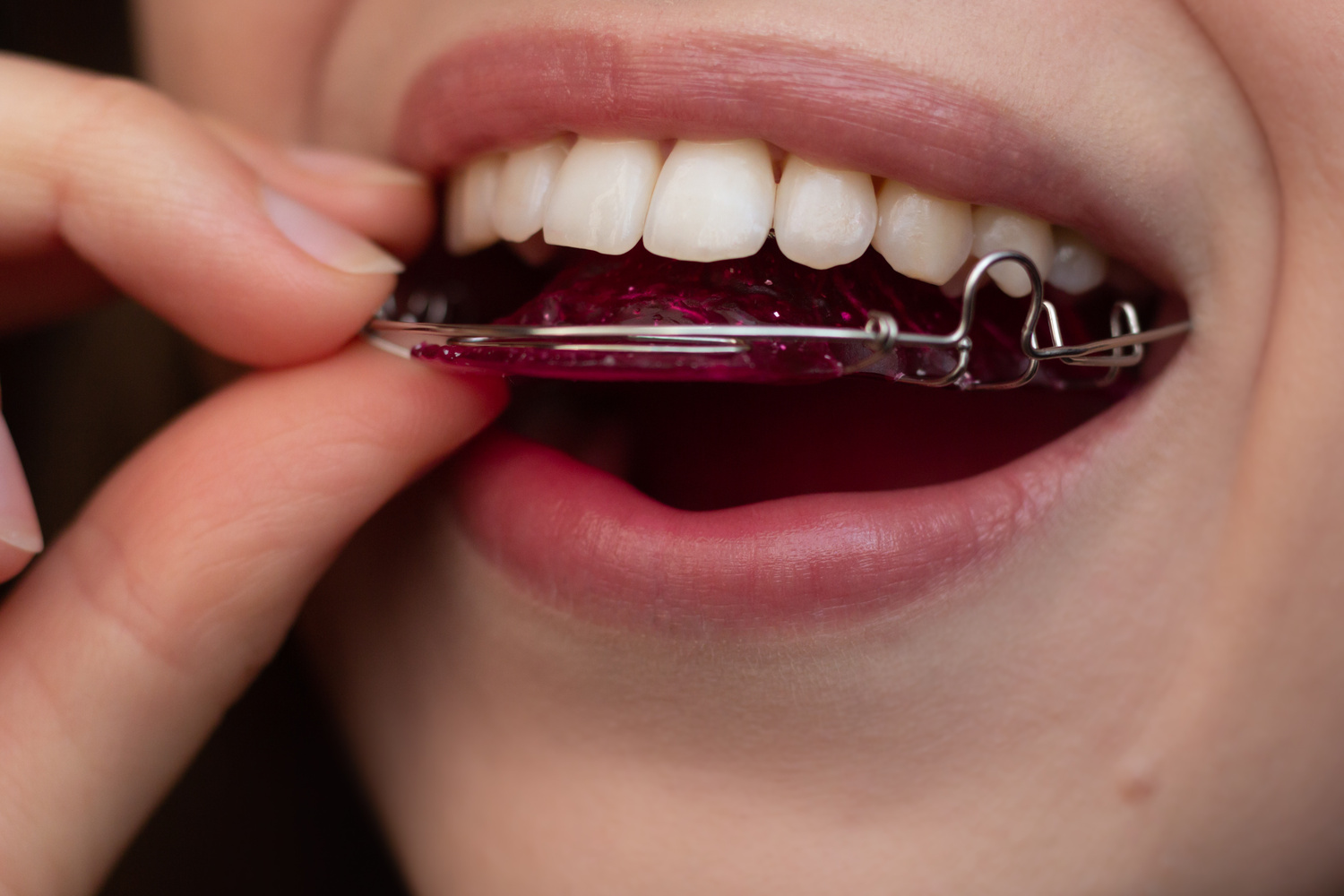
The right retainer depends on your treatment, your bite, and your long-term needs. At Rechtin Jacobs Orthodontics, removable retainers are made with advanced 3D printing technology to improve fit, comfort, and durability. For some patients, fixed retainers may also be recommended for additional long-term stability.
The goal is not simply to choose a retainer. It is to choose the right retainer for your smile. Some patients do best with removable retainers alone, while others may benefit from a bonded option used along with clear removable retainers. The best recommendation comes from an orthodontist who understands your treatment history and your retention goals.
Fixed Retainers
Fixed retainers are bonded behind the teeth and can be helpful for patients who need added stability in certain areas. Because they stay in place, they do not rely on daily compliance in the same way removable options do.
Removable Retainers
Removable retainers are popular because they are convenient, easy to clean, allow for an optimal dental hygiene routine.. At Rechtin Jacobs Orthodontics, 3D-printed removable retainers are part of the practice’s commitment to modern, personalized orthodontic care.
What Should You Do If Your Retainer Is Lost, Tight, or No Longer Fits?
If your retainer is lost, tight, broken, or no longer fits, contact your orthodontic office as soon as possible. Waiting too long can give teeth more time to move, which may make it harder to maintain your results. Rechtin Jacobs Orthodontics specifically advises patients to call right away for replacement if a retainer is lost or broken.
Try not to force a retainer that clearly does not fit. Also, do not assume your last set of aligners will work as a long-term substitute. A dedicated retainer is designed for retention, and getting the right replacement quickly can help protect the smile you worked hard to achieve. If you are in Crestview Hills or the surrounding Northern Kentucky area, our team is here to help you know the right next step.
Protect Your Smile Results With Retainer Care in Crestview Hills, KY
Retainers are not an optional extra after braces or Invisalign. They are an important part of protecting your results, preserving bite stability, and helping your smile stay aligned for the long run. At Rechtin Jacobs Orthodontics, we believe orthodontic care should feel personal, supportive, and family-centered from the first consultation through long-term retainer care. Our doctors are proud to serve Crestview Hills and the Northern Kentucky community with modern orthodontic treatment designed to fit real lives and real families.
If you have questions about retainer wear, replacement, fit, or post-treatment care, contact Rechtin Jacobs Orthodontics in Crestview Hills, KY. We are here to help you protect your smile and feel confident in every stage of your orthodontic journey.
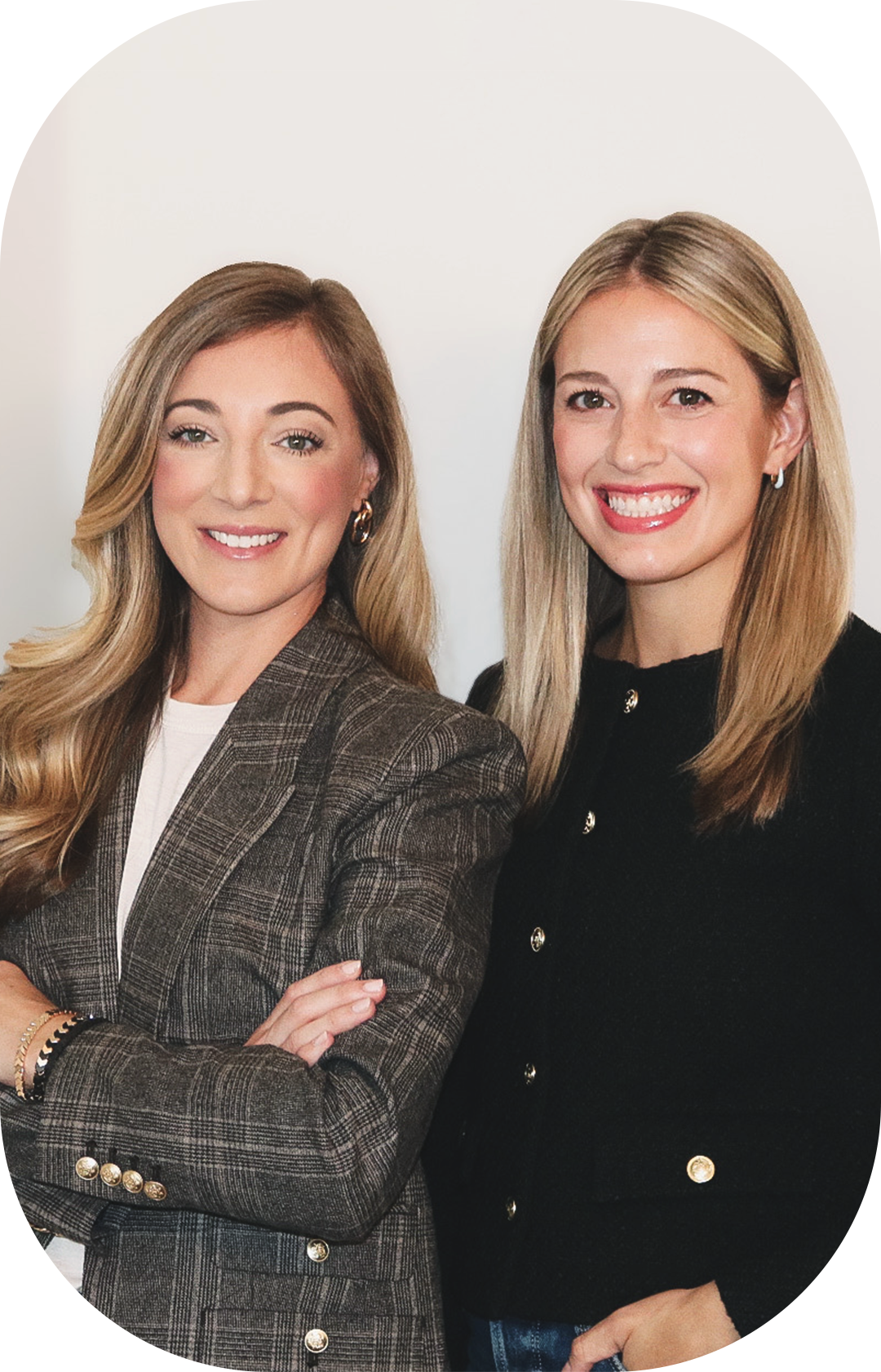
Dr. Jacobs & Dr. Rechtin
Written by Dr. Paige Rechtin and Dr. Alli Jacobs, the orthodontists at Rechtin Jacobs Orthodontics in Crestview Hills, KY, this blog is built to help patients feel informed and confident about their care. Both doctors earned their dental degrees at the University of Kentucky College of Dentistry with honors and completed advanced orthodontic training through top graduate programs. Their approach combines meticulous planning, modern technology, and Invisalign experience to create personalized treatment plans for children, teens, and adults.
As Northern Kentucky locals and busy parents themselves, Dr. Rechtin and Dr. Jacobs understand real-life schedules and work to make orthodontic care as smooth and supportive as possible. They believe great results start with listening, education, and a genuine connection with every patient and family they serve.