

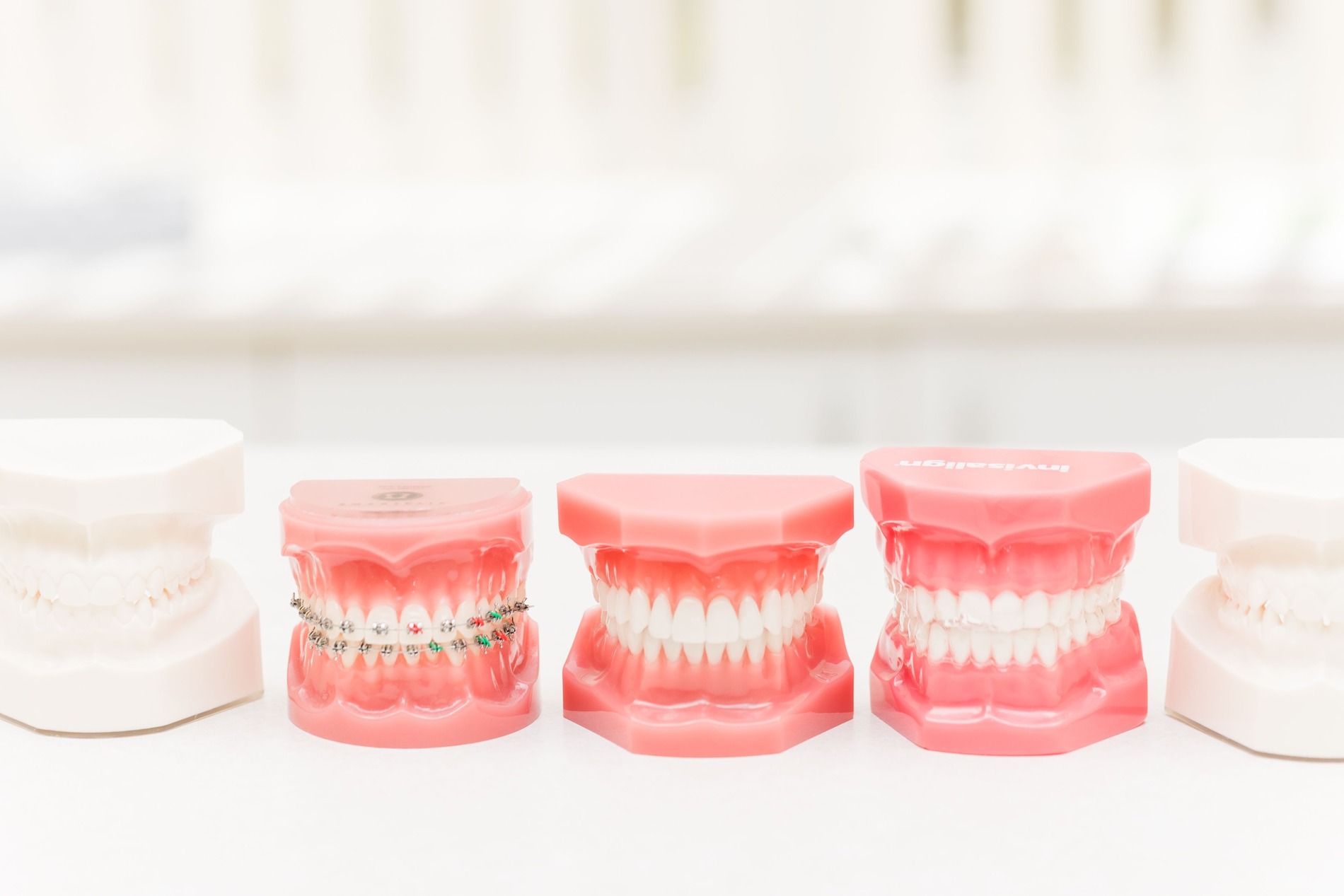
How Do Orthodontists Straighten Teeth, Braces, Aligners, and More
At Rechtin Jacobs Orthodontics in Crestview Hills, Kentucky, we help kids, teens, and adults achieve healthy, confident smiles with personalized treatment plans. Orthodontists straighten teeth by applying gentle, controlled forces that guide teeth and jaws into better alignment. This is done with braces or clear aligners, planned digitally and monitored at regular visits, then maintained with retainers so your results last.
This Article will address
- How orthodontists move teeth safely and predictably
- The difference between braces and aligners
- Which option can be faster in typical cases
- Types of orthodontic treatments available today
- What to expect during visits and adjustments
- Comfort tips and daily care
- Timelines, cost factors, and financing
- Why retainers matter after treatment
- How to get started in Crestview Hills, Kentucky
How Orthodontists Straighten Teeth
Orthodontic tooth movement relies on biology. Light, steady forces signal the bone around a tooth to remodel, allowing the tooth to shift into a healthier position. At Rechtin Jacobs Orthodontics, your journey begins with digital records and a thorough exam. We use imaging and photographs to design a plan that fits your goals and lifestyle. During treatment, small adjustments to braces or changes to your aligner trays maintain progress. When active treatment is complete, retainers hold your new alignment while the bone fully stabilizes.
What Types of Orthodontic Treatments Are Available?
We provide options for different ages, preferences, and case needs:
Metal Braces
Reliable and efficient for a wide range of cases. Modern, low-profile brackets improve comfort and hygiene.
Ceramic Braces
Tooth-colored brackets that blend in more than metal. A good choice for patients who want a discreet look but prefer fixed braces.
Lingual Braces
Brackets placed on the inside surfaces of the teeth. These can be an option for select cases that need complete discretion.
Self-Ligating Braces
A bracket design that secures the wire without elastic ties. This can support efficient movement and easier cleaning for some patients.
Clear Aligners for Teens and Adults
Removable trays that are nearly invisible when worn. Great for patients who prefer flexibility for eating and oral hygiene.
Early Orthodontic Intervention for Developing Smiles
Interceptive treatment for children can guide jaw growth, create space for incoming teeth, and reduce complexity later.
How Braces Work
Braces use a system of brackets and wires to guide teeth with precision.
Brackets, Archwires, and Elastics Explained
Brackets are bonded to teeth and connected by an archwire that provides light force. Elastics are sometimes used to fine-tune the bite.
Adjustment Cadence and Visit Expectations
After placement, you will visit periodically for wire changes and adjustments. These visits are focused, efficient, and tailored to your plan.
Foods to Avoid and Hygiene Pointers
Skip hard, sticky, and very crunchy foods that can damage brackets. Brush thoroughly around brackets and along the gumline, and consider a water flosser for convenience.
How Clear Aligners Work
Clear aligners move teeth through a planned sequence of trays.
Digital Scanning and Custom Trays
We start with a digital scan to create a 3D model. Your aligners are fabricated to follow each step of the plan.
Wear Time and Tray Change Schedule
Most patients wear aligners 20 to 22 hours per day and switch to a new tray every one to two weeks, as directed.
Attachments and Elastics with Aligners When Needed
Small tooth-colored attachments and, at times, elastics help aligners achieve specific movements or bite corrections.
Braces vs Aligners, What Is the Difference
Both options can create excellent results. The best choice depends on your goals, lifestyle, and clinical needs.
Visibility and Lifestyle Fit
Braces are always on and working. Aligners are removable for meals and brushing, and they can be nearly invisible.
Visit Frequency and Home Responsibilities
Braces rely on in-office adjustments. Aligners shift more responsibility to at-home wear and tray changes, with check-ins to ensure progress.
Hygiene, Diet, and Breakage Risk
Aligners make brushing and flossing easier since you remove the trays. With braces, hygiene takes more time, and certain foods should be avoided to protect brackets.
Case Complexity and Control Over Tooth Movements
Some complex tooth movements may be more predictable with braces. Many cases are well suited to aligners. We will recommend the option that best fits your needs.
Which Is Faster, Braces or Invisalign
Speed depends on case complexity, bite correction, and patient compliance. Some mild to moderate alignment goals can be completed efficiently with aligners when wear time is consistent. Complex bite corrections may be more efficient with braces. Elastics, refinements, and appointment attendance all influence the timeline. We will outline an estimated timeframe at your consultation and adjust it as your smile progresses.
Treatment Timeline and Visits
First Visit, Records, and Planning
Your first visit includes a consultation, exam, and digital records. We discuss goals, present options, and provide a personalized plan.
Adjustment Visits or Aligner Checks
Braces patients return for wire changes and adjustments. Aligner patients check in to verify fit and progress, with updates to the plan as needed.
Typical Total Treatment Time
Many treatments range from about one to two years. Early intervention or limited goals may be shorter. Complex bite corrections can take longer.
Comfort, Diet, and Daily Care
Mild tenderness can occur after starting treatment or making adjustments. Soft foods, saltwater rinses, and orthodontic wax help most patients. For braces, avoid hard and sticky foods. For aligners, remove trays when eating, clean trays daily, and brush before reinserting. Call us if you experience a broken bracket, a lost aligner, or any discomfort that does not improve.
Cost and Ways to Pay
What Influences Cost
Complexity, expected treatment length, and the type of appliance affect total cost.
Insurance and Flexible Payments
We help you understand orthodontic insurance benefits and offer flexible payment arrangements.
HSA and FSA Options
Many patients use HSA or FSA funds for qualified orthodontic expenses. We will walk you through the process.
Retainers After Treatment
Fixed vs Removable Retainers
Both options keep your teeth in their new positions. We will recommend the style that matches your case and lifestyle.
How Long to Wear Retainers
Retention is ongoing. Consistent wear is the best way to protect your investment.
Keeping Your Smile Stable for Life
Regular retainer use and periodic checks help your results last.
Ready to Start in Crestview Hills
Rechtin Jacobs Orthodontics is located at 25 Town Center Blvd, Suite 102, Crestview Hills, Kentucky. We offer free consultations and flexible options for busy families. Call 859-446-7411 to schedule, or request a visit online. Our orthodontic specialists will design a plan that fits your life and helps you love your smile.
Sources
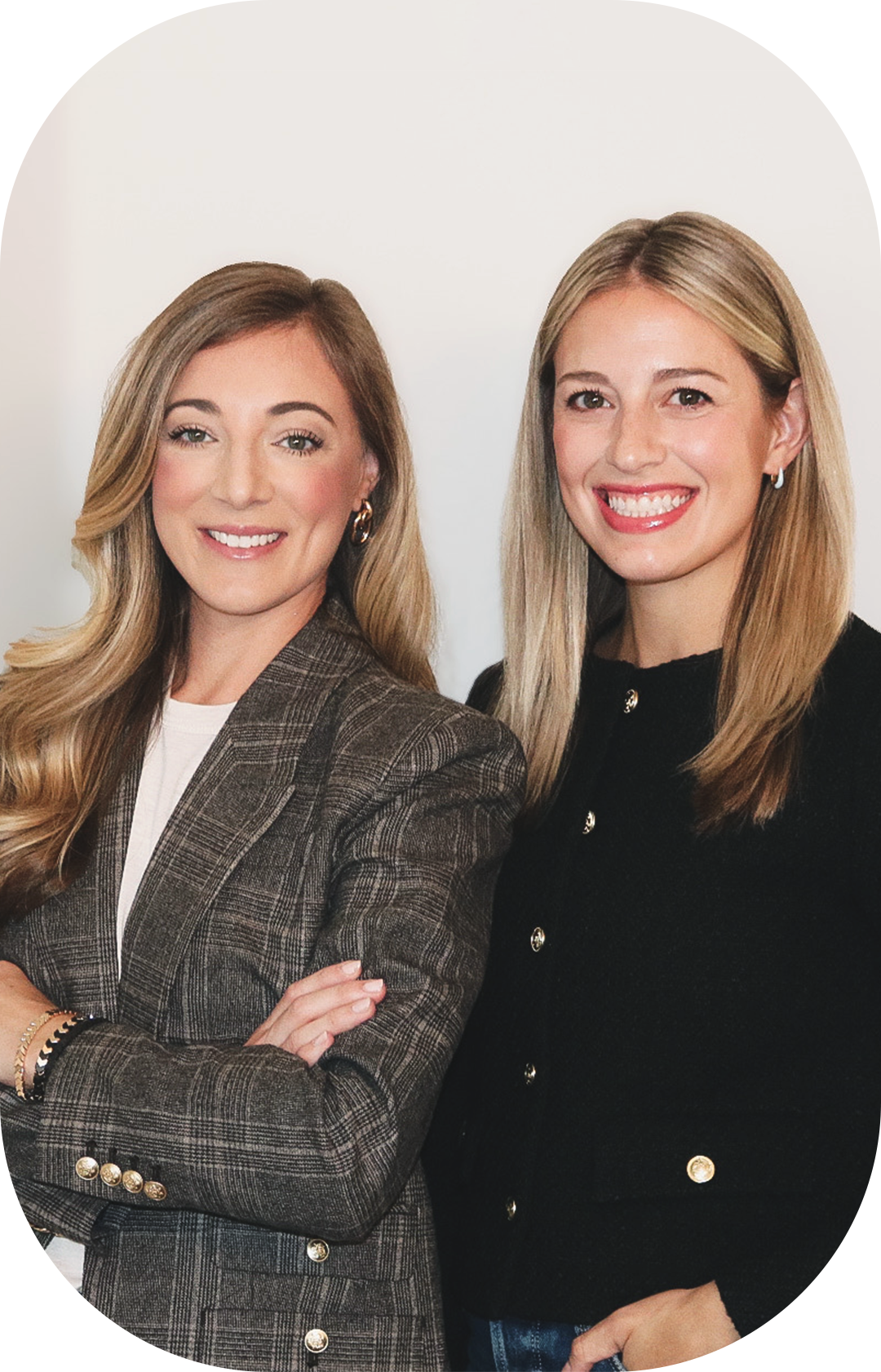
Dr. Jacobs & Dr. Rechtin
Written by Dr. Paige Rechtin and Dr. Alli Jacobs, the orthodontists at Rechtin Jacobs Orthodontics in Crestview Hills, KY, this blog is built to help patients feel informed and confident about their care. Both doctors earned their dental degrees at the University of Kentucky College of Dentistry with honors and completed advanced orthodontic training through top graduate programs. Their approach combines meticulous planning, modern technology, and Invisalign experience to create personalized treatment plans for children, teens, and adults.
As Northern Kentucky locals and busy parents themselves, Dr. Rechtin and Dr. Jacobs understand real-life schedules and work to make orthodontic care as smooth and supportive as possible. They believe great results start with listening, education, and a genuine connection with every patient and family they serve.