

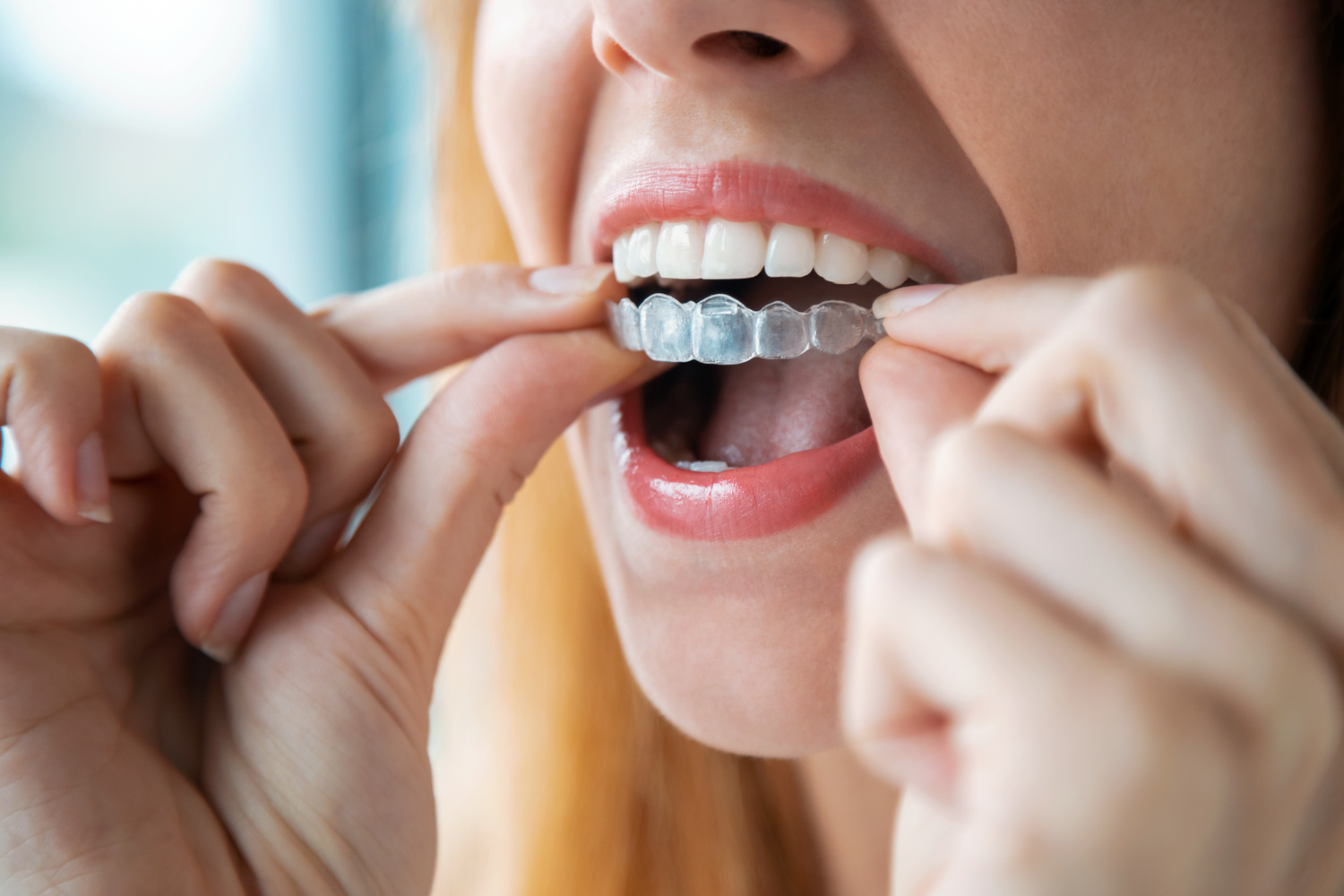
Invisalign Care and Daily Routine: Cleaning, Wearing, and Maintenance
Clear aligners offer a comfortable and convenient way to straighten teeth, but successful treatment depends on following a consistent care routine. Patients using Invisalign should wear their aligners about 20–22 hours per day, remove them before eating or drinking anything except water, clean them daily, and maintain excellent brushing and flossing habits before placing them back in the mouth. These simple steps help keep aligners clear, protect oral health, and ensure that treatment stays on track.
At Rechtin Jacobs Orthodontics in Crestview Hills, KY, Dr. Alli Jacobs and Dr. Paige Rechtin guide patients through every stage of Invisalign treatment. As orthodontic specialists serving families throughout Northern Kentucky, they help children, teens, and adults maintain healthy smiles while making orthodontic care convenient for busy lifestyles.
This Article Will Address
- How to clean Invisalign aligners properly
- How often Invisalign trays should be cleaned
- How many hours per day Invisalign should be worn
- What foods and drinks to avoid with Invisalign
- Whether drinking through a straw is safe with Invisalign
- How to store Invisalign aligners safely
- How to prevent stains, odor, and bacteria buildup
- What to do if aligners feel loose or damaged
- Whether retainers are needed after Invisalign treatment
What Is the Recommended Daily Invisalign Routine?
A consistent daily routine helps ensure Invisalign treatment remains effective and comfortable. Aligners must stay clean and be worn for most of the day in order to gradually move teeth into the correct position.
Morning Invisalign Routine
The morning routine begins by removing your aligners and brushing and flossing your teeth. After your teeth are clean, gently rinse and clean your aligners before placing them back in your mouth. This step helps remove bacteria that may have accumulated overnight and keeps your trays clear.
Invisalign Care After Meals
Invisalign aligners should always be removed before eating. After meals or snacks, brush your teeth before placing your trays back in your mouth whenever possible. If brushing is not immediately available, rinsing your mouth with water can help remove food particles. Always rinse your aligners before reinserting them.
Nighttime Invisalign Maintenance
Before going to bed, brush and floss thoroughly and clean your aligners again. Many patients switch to a new set of aligners every one to two weeks. If you are changing trays, store the previous set safely according to your orthodontist’s instructions.
How Often Should You Clean Your Invisalign Trays?
Invisalign trays should be cleaned at least twice per day to keep them clear and free from bacteria. Cleaning aligners in the morning and at night helps prevent buildup that can lead to odors or staining.
A soft toothbrush and gentle cleaning solution are often recommended. Patients should avoid abrasive toothpaste because it can scratch the plastic surface and make aligners appear cloudy.
Helpful daily cleaning habits include:
- Clean aligners at least twice per day
- Rinse aligners every time they are removed
- Avoid using hot water, which can warp the plastic
- Use Invisalign cleaning crystals or orthodontist-approved solutions when recommended
- Maintain regular brushing and flossing to reduce bacteria
These simple steps help maintain clear aligners and protect your oral health throughout treatment.
How Many Hours Per Day Should Invisalign Aligners Be Worn?
Invisalign aligners should be worn between 20 and 22 hours each day. The only times they should be removed are during meals, when drinking beverages other than water, and while brushing or flossing.
Consistent wear allows each aligner to gradually shift teeth into the planned position. Removing aligners too often or leaving them out for extended periods can slow treatment progress and extend the overall timeline.
Following your orthodontist’s instructions and maintaining the recommended wear schedule helps ensure treatment progresses smoothly.
Can You Eat or Drink While Wearing Invisalign?
Invisalign aligners should always be removed before eating. Food can damage the trays and become trapped underneath them, increasing the risk of cavities or staining.
Water is the only beverage considered safe while wearing aligners. Other drinks may contain sugars or acids that can remain trapped against the teeth when aligners are in place.
Examples of beverages and foods to avoid while wearing aligners include:
- Coffee or tea that can stain the trays
- Sugary beverages such as soda or sports drinks
- Acidic drinks like juice or energy drinks
- Foods that could crack or damage the aligners
Brushing and flossing before reinserting aligners helps protect teeth and maintain clear trays throughout treatment.
Can I Drink Through a Straw With Invisalign?
Some patients wonder if drinking through a straw makes beverages safe while wearing Invisalign. While a straw may reduce contact with the front teeth, liquids still enter the mouth and can become trapped beneath the aligners.
Sugary or acidic drinks may remain against the teeth, increasing the risk of enamel damage and cavities. For this reason, orthodontists generally recommend removing Invisalign aligners before drinking anything other than water.
Removing your trays before drinking is the safest option for protecting both your teeth and your aligners.
How Should Invisalign Aligners Be Stored When Not in Use?
Proper storage helps prevent aligners from being lost or damaged. Whenever aligners are removed, they should be placed in their protective case.
Important storage habits include:
- Always use the aligner case provided by your orthodontist
- Avoid wrapping aligners in napkins, which can lead to accidental disposal
- Keep aligners away from pets, who may chew them
- Avoid leaving aligners in hot environments such as a car
- Clean the aligner case regularly to prevent bacteria buildup
Taking a few seconds to store aligners safely can help prevent unnecessary treatment delays.
How Can You Prevent Stains, Odor, and Bacteria in Invisalign Aligners?
Clear aligners remain discreet when they are properly cared for. Preventing stains and odors requires consistent hygiene habits.
Patients can help maintain fresh, clear aligners by following these practices:
- Clean aligners every day
- Brush and floss before reinserting trays
- Rinse aligners whenever they are removed
- Avoid drinking colored beverages while wearing trays
- Maintain good oral hygiene throughout treatment
Consistent care keeps aligners comfortable and nearly invisible during orthodontic treatment.
What Should I Do If My Invisalign Aligners Feel Loose, Cracked, or Uncomfortable?
It is normal to feel mild pressure when switching to a new set of aligners. This pressure means the trays are working to move teeth gradually.
However, patients should contact their orthodontist if aligners appear damaged or do not fit properly. Common concerns include:
- Cracked or broken aligners
- Trays that feel unusually loose
- Persistent discomfort that does not improve
- Aligners that no longer fit securely
Orthodontic specialists can evaluate the issue and recommend the next step to keep treatment progressing smoothly.
Do I Need to Wear Retainers Forever After Invisalign?
Retainers play an essential role after Invisalign treatment is complete. Teeth naturally shift over time, and retainers help maintain the results achieved during orthodontic treatment.
Many patients wear retainers more frequently immediately after treatment and later transition to nighttime wear. Long-term retainer use protects the alignment of your smile and helps ensure your orthodontic investment lasts for years to come.
Your orthodontist will provide guidance on the best retention plan based on your specific treatment.
Why Choosing an Experienced Orthodontist Matters for Invisalign Success
Successful Invisalign treatment depends on careful planning, ongoing monitoring, and personalized care. Orthodontic specialists receive additional years of training beyond dental school to focus specifically on tooth movement and bite alignment.
At Rechtin Jacobs Orthodontics in Crestview Hills, KY, Dr. Alli Jacobs and Dr. Paige Rechtin combine advanced orthodontic technology with personalized treatment planning. Both doctors are Invisalign Certified orthodontists who work closely with patients to design treatment plans tailored to their goals and lifestyles.
Their practice focuses on creating a welcoming environment for families across Northern Kentucky while delivering high-quality orthodontic care for children, teens, and adults.
Schedule Your Invisalign Consultation in Crestview Hills, KY
Maintaining a consistent Invisalign care routine helps ensure aligners stay clear, comfortable, and effective throughout treatment. Cleaning trays regularly, wearing them the recommended number of hours each day, and practicing good oral hygiene all contribute to successful orthodontic results.
If you are considering Invisalign treatment or have questions about caring for your aligners, Rechtin Jacobs Orthodontics in Crestview Hills, KY is here to help. Dr. Alli Jacobs and Dr. Paige Rechtin provide personalized orthodontic care for families across Northern Kentucky. Their patient-centered approach combines advanced technology with compassionate care to create healthy, confident smiles.
Call 859-446-7411 to schedule your free consultation and learn more about Invisalign treatment.
Sources

Dr. Jacobs & Dr. Rechtin
Written by Dr. Paige Rechtin and Dr. Alli Jacobs, the orthodontists at Rechtin Jacobs Orthodontics in Crestview Hills, KY, this blog is built to help patients feel informed and confident about their care. Both doctors earned their dental degrees at the University of Kentucky College of Dentistry with honors and completed advanced orthodontic training through top graduate programs. Their approach combines meticulous planning, modern technology, and Invisalign experience to create personalized treatment plans for children, teens, and adults.
As Northern Kentucky locals and busy parents themselves, Dr. Rechtin and Dr. Jacobs understand real-life schedules and work to make orthodontic care as smooth and supportive as possible. They believe great results start with listening, education, and a genuine connection with every patient and family they serve.