
Surgical Orthodontics: When Braces Alone Aren’t Enough
If your orthodontist in Crestview Hills, KY has told you that braces or clear aligners might not fully correct your bite, you are not stuck without a plan. Sometimes the real problem lives in the jawbones themselves rather than in the position of individual teeth, and that is exactly the situation a combined orthodontic and jaw surgery approach is designed to fix. By pairing focused orthodontic care with corrective jaw surgery, this treatment path repositions the jaw so teeth, bite, and profile can finally work together.
At Rechtin Jacobs Orthodontics, Dr. Alli Jacobs and Dr. Paige Rechtin know that hearing the word “surgery” can feel intimidating, especially for a busy family already juggling appointments and schedules. As moms themselves, they understand the need for clear answers and a plan that actually makes sense. This guide walks through what jaw surgery involves, who actually needs it, and what the road to a healthier bite looks like from start to finish.
This Article Will Address
- What jaw surgery for orthodontic treatment actually involves
- The signs that point to jaw surgery being necessary
- How braces and surgery work together as one plan
- What recovery really looks like, week by week
- Whether non-surgical treatment options exist first
What Is Surgical Orthodontics?
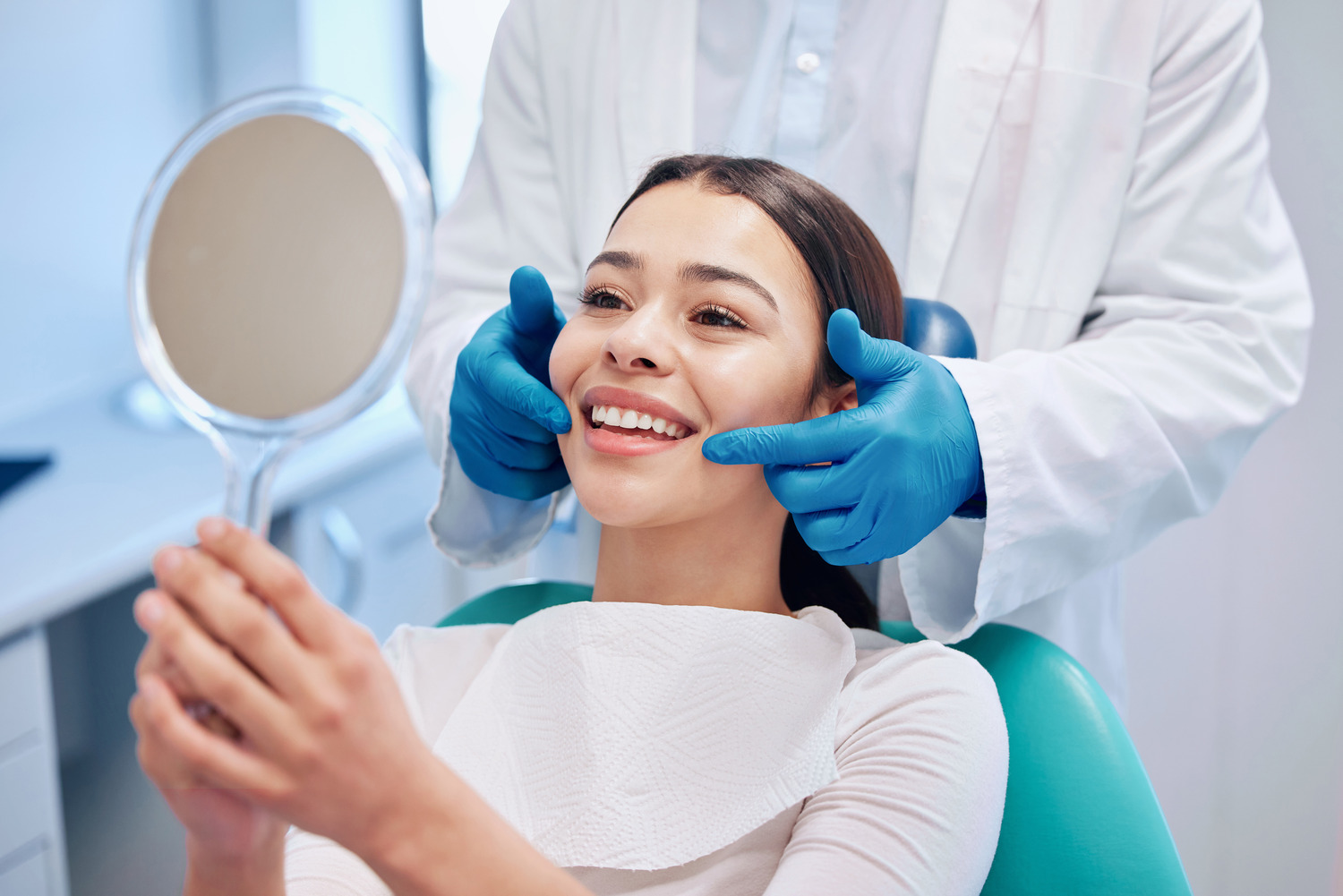
Surgical orthodontics, also known as orthognathic surgery, repositions the upper jaw, lower jaw, or both to correct a bite and facial imbalance that braces or aligners cannot resolve on their own. Teeth can often be straightened beautifully with orthodontic appliances alone, but if the jawbones supporting those teeth are misaligned, no amount of tooth movement will fix the underlying bite.
This is never a solo procedure. Jaw realignment surgery is performed by an oral and maxillofacial surgeon working closely with your orthodontist, and it is almost always paired with orthodontic treatment before and after the operation. The orthodontist plans tooth movement around the eventual surgical outcome, and the surgeon repositions the bone once the teeth are properly prepared. Together, this coordinated approach restores a functional bite, improves facial balance, and, for many patients, resolves breathing difficulties tied to jaw position.
This type of treatment is more common than many families realize. Research suggests that as many as 15 percent of people have jaw or dental irregularities significant enough that orthodontics alone cannot fully resolve them, which is why an accurate diagnosis early in the process matters so much. Families in Northern Kentucky can learn more about our orthognathic surgical treatments and how our team supports patients through every stage of the process.
When Is Jaw Surgery Necessary for Orthodontic Treatment?
Jaw surgery becomes necessary when a bite problem comes from the bones themselves rather than from crowded, tilted, or crooked teeth. Braces are excellent at moving teeth, but they cannot lengthen, shorten, or reposition a jawbone. When the skeleton is the issue, orthodontic treatment alone will only go so far.
Signs that a patient may need corrective jaw surgery include:
- A significant overbite, underbite, open bite, or crossbite that does not improve with orthodontic appliances alone
- Ongoing difficulty chewing, biting, or swallowing comfortably
- Noticeable facial asymmetry or an imbalanced profile
- Chronic jaw pain, popping, or frequent headaches tied to bite alignment
- Breathing problems during sleep that are linked to jaw position
Age also plays a role. Since jaw surgery is performed once bone growth is complete, typically around age fourteen for females and age sixteen for males, most surgical candidates are older teens or adults. Younger patients with skeletal discrepancies are often monitored closely and may benefit from early guidance of jaw growth instead.
Not every case is this dramatic, and plenty of bite concerns respond well to braces or aligners with no surgery involved. That is why a full evaluation, including imaging and a look at how the jaws grow and function together, matters so much before any treatment plan is finalized.
How Do Braces and Surgery Work Together?
Braces and jaw surgery work together as a coordinated, two-stage process rather than two separate treatments. Pre-surgical orthodontics comes first: braces or aligners align the teeth within each jaw so that once the jaw is repositioned, the teeth will actually fit together correctly. Interestingly, the bite sometimes looks slightly worse during this phase, since teeth are being lined up for the surgical outcome rather than for how they look mid-treatment.
Once the teeth are ready, Dr. Alli Jacobs and Dr. Paige Rechtin coordinate with a trusted oral surgeon to complete the procedure itself. After surgery, orthodontic treatment continues to fine-tune the bite, ensuring the teeth settle into their final, stable position. This full process, including both stages of orthodontic treatment and the surgery itself, typically spans one to two years from start to finish, though timelines vary by case.
What Should Patients Expect During Recovery?
Recovery from jaw surgery happens in stages, and most families find it far more manageable than they expected once they know what is coming. In the first two weeks, swelling is at its peak and a soft or liquid diet is recommended while the jaw begins to settle. Pain is typically managed well with medication and supportive care during this stage.
Most patients return to school or work within two to six weeks, though the bone itself continues healing well beyond that point. Full stabilization of the jaw can take nine to twelve months, with regular orthodontic visits during that time to fine-tune the bite as everything settles. Patients often notice clearer speech, easier chewing, and reduced jaw strain as healing progresses, and the improvement tends to build steadily rather than happen all at once.
Throughout the healing process, gentle jaw exercises and a gradual return to normal foods help the jaw regain strength and range of motion. Most swelling resolves noticeably within the first month, even though subtler changes continue for a while longer. Having a supportive plan in place, from meal prep to time off work or school, makes this stretch far easier for the whole family to manage.
Are There Non-Surgical Alternatives?
For many patients, yes. Braces, clear aligners, and early interceptive treatment can correct a wide range of bite concerns without surgery, especially when treatment starts while the jaw is still growing. Palatal expanders and other orthopedic appliances can guide jaw growth in children and adolescents, often preventing the kind of severe skeletal discrepancy that leads to a surgical recommendation later in life.
Even in adulthood, plenty of bite issues respond well to braces or aligners alone when the discrepancy is mild to moderate and mostly dental rather than skeletal. Surgery becomes the recommended path only when the jaw bones themselves are significantly out of alignment, and even then, it is one part of a larger, carefully coordinated treatment plan rather than a stand-alone fix.
An early evaluation, ideally by age seven as the American Association of Orthodontists recommends, gives an orthodontist the best chance to catch a developing skeletal issue while there is still room to guide growth naturally, often avoiding a surgical conversation altogether.
Schedule Your Jaw Alignment Consultation in Crestview Hills
Whether jaw surgery ends up being part of your treatment plan or not, the best next step is a real conversation with a team who will look at the full picture. Rechtin Jacobs Orthodontics is open and welcoming new patients and referrals throughout Crestview Hills, KY and the surrounding Northern Kentucky communities. Dr. Alli Jacobs and Dr. Paige Rechtin will walk you through your options honestly, whether that means braces, aligners, or a coordinated surgical plan built around your family’s needs. Request a consultation today and let’s find the right path to a bite that works and a smile you’re proud of.
Sources
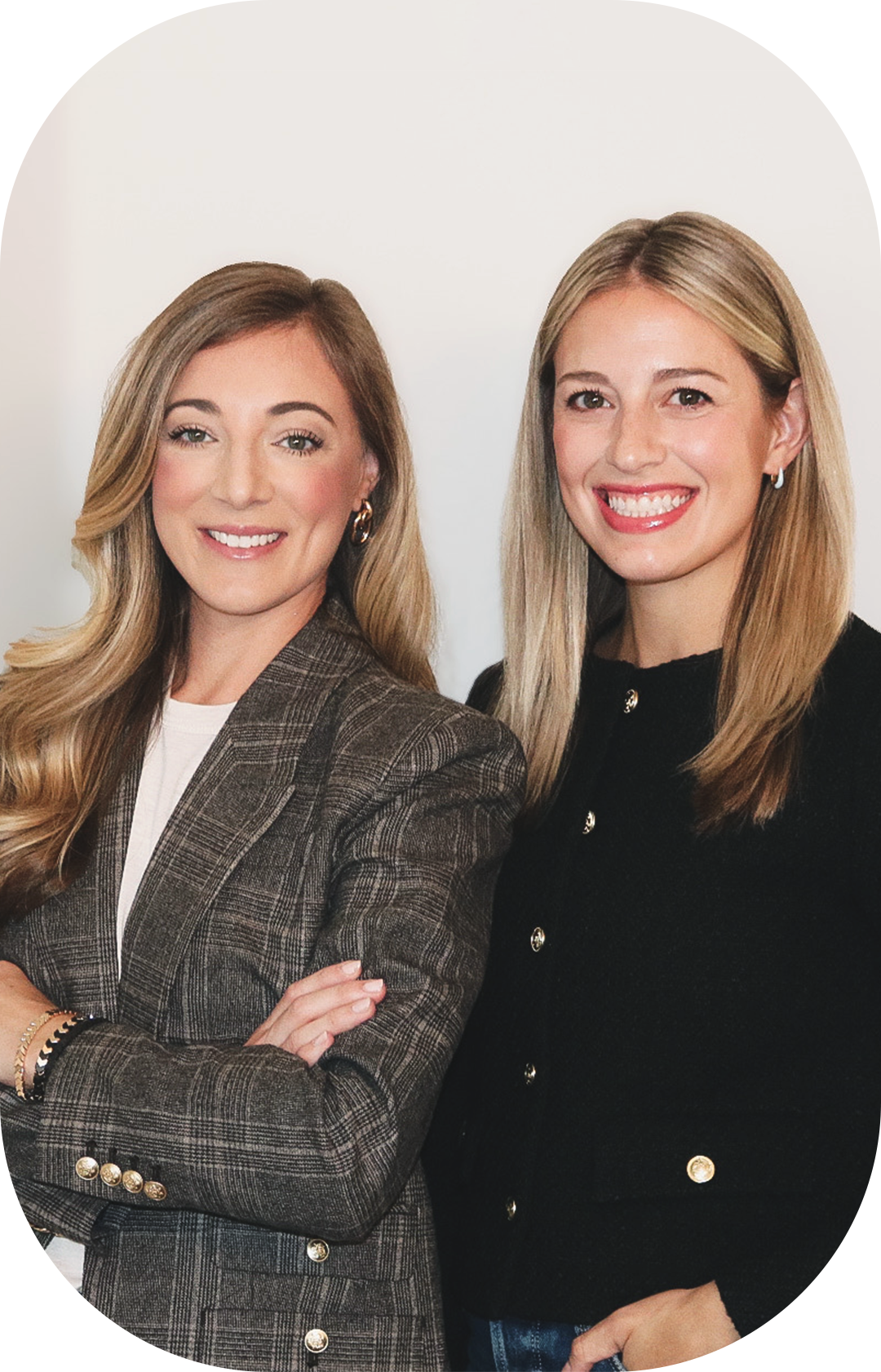
Dr. Jacobs & Dr. Rechtin
Written by Dr. Paige Rechtin and Dr. Alli Jacobs, the orthodontists at Rechtin Jacobs Orthodontics in Crestview Hills, KY, this blog is built to help patients feel informed and confident about their care. Both doctors earned their dental degrees at the University of Kentucky College of Dentistry with honors and completed advanced orthodontic training through top graduate programs. Their approach combines meticulous planning, modern technology, and Invisalign experience to create personalized treatment plans for children, teens, and adults.
As Northern Kentucky locals and busy parents themselves, Dr. Rechtin and Dr. Jacobs understand real-life schedules and work to make orthodontic care as smooth and supportive as possible. They believe great results start with listening, education, and a genuine connection with every patient and family they serve.