

What Age Should My Child Have Their First Orthodontic Evaluation?
The American Association of Orthodontists recommends that every child have a first orthodontic evaluation by age 7, and at Rechtin Jacobs Orthodontics in Crestview Hills, KY, we see this milestone as one of the easiest steps a parent can take toward protecting a child’s smile. Age 7 is not a random number. By this point, most kids have a mix of baby teeth and permanent teeth, which gives an orthodontist enough to work with to spot developing issues long before they turn into bigger, more expensive problems down the road.
An early visit is a low-pressure, no-cost checkpoint, not a countdown to braces. Plenty of families are surprised to learn their child does not need any treatment yet, and that is a good outcome, not a wasted trip. Below, we break down when to schedule that first appointment, what the exam actually involves, whether it automatically leads to treatment, and what can happen if a family waits past the recommended window.
This Article Will Address
- The ideal age for a child’s first orthodontist visit
- What an orthodontist checks for during an early exam
- Whether an early evaluation means treatment starts right away
- What can happen when families wait too long to schedule
At What Age Should Kids See an Orthodontist for the First Time?
Most children should see an orthodontist for the first time by age 7, though sooner is appropriate any time a parent or dentist notices something that looks off.
By age 7, kids typically have their first permanent molars and front teeth in place alongside several baby teeth still holding their spots. That combination gives an orthodontist a clear enough picture of how the jaw is developing and whether the permanent teeth coming in behind the baby teeth have enough room. Waiting until all of the adult teeth have erupted, which is often closer to the early teen years, means some of the easiest windows for guiding growth have already started to close.
Parents do not need to wait for a specific birthday if something seems off sooner. Signs worth a look at any age include:
- Losing baby teeth much earlier or later than expected
- Difficulty biting, chewing, or closing the mouth comfortably
- Mouth breathing, snoring, or noisy jaw movement
- Thumb-sucking or tongue-thrusting habits that continue past toddlerhood
- Teeth that do not line up when the mouth is closed
At Rechtin Jacobs Orthodontics, first evaluations are always complimentary, so there is no reason to put off finding out where things stand. As moms themselves, Dr. Jacobs and Dr. Rechtin understand how easy it is for a child’s early exam to slip down the priority list behind school schedules, sports, and everything else a busy family juggles. That is part of why the practice keeps these early visits simple and quick, usually wrapped up well within an hour, so getting an answer does not mean disrupting an entire afternoon.
What Is an Orthodontist Looking for at an Early Evaluation?
An orthodontist is looking at how the jaw is growing, how much space exists for the permanent teeth still coming in, and whether the bite is developing the way it should, not simply counting how many teeth look crooked right now.
The exam itself is quick and comfortable. Dr. Alli Jacobs and Dr. Paige Rechtin start with a visual check of the teeth, jaw, and bite, and may take digital scans or x-rays if a closer look at root positions or jaw structure is needed. From there, the conversation with parents covers what was found and, just as importantly, what to expect next. Families exploring the full scope of what this involves can also review our orthodontic care options for a sense of the treatments available down the line, if they are ever needed.
Specific things an early exam typically assesses include:
- Jaw growth and how symmetrically it is progressing
- Crowding or spacing issues among incoming permanent teeth
- Crossbites, underbites, and overbites
- Habits, like thumb-sucking, that can affect how teeth and jaws develop
- Airway and breathing patterns that influence facial growth over time
None of this requires a referral from a dentist. Any parent can schedule a first evaluation directly.
Does an Early Evaluation Mean My Child Will Need Treatment Right Away?
No. Most children who come in for an early evaluation do not start treatment immediately, and that is by design, not a sign the visit was unnecessary.
There are generally three outcomes to an early exam. Some children need no treatment at all and are simply given a clean bill of health. Others are placed on a monitoring schedule, with periodic check-ins every several months to watch how growth continues. A smaller group has a developing issue, like a narrow palate or a significant crossbite, where early or Phase 1 treatment genuinely changes the outcome by guiding growth while the jaw is still developing. For families whose child falls into that third group, options like Invisalign First can sometimes address the issue with less disruption to daily life than traditional appliances.
Dr. Jacobs and Dr. Rechtin only recommend early treatment when it offers a clear, specific benefit, never simply because a child is a certain age. If your child’s exam points to monitoring instead of treatment, that is genuinely good news, and it does not mean the visit was premature. At Rechtin Jacobs, we also enroll our patients in the Smile Scouts program to help prepare parents and kids for what lies ahead with future treatment. Enrolling in the Smile Scouts can help ease anxiety around treatment for kids and keep parents informed about important milestones in growth and development.
What Happens If We Wait Too Long for a First Evaluation?
Waiting past the recommended window does not doom a child to worse dental health, but it can mean a developing problem goes unnoticed until it needs more complex, longer, and often costlier treatment to correct.
Jaw growth follows a natural timeline, and certain interventions, like widening a narrow palate, work best while a child’s jaw is still actively developing. Once that growth largely wraps up in the early teen years, the same correction may require different appliances, a longer treatment plan, or in some cases surgical options that would not have been necessary with earlier guidance. Crowding can also compound over time, since baby teeth that are lost too early or too late without any oversight can leave permanent teeth with nowhere good to land.
Waiting too long can mean:
- A narrower window for guiding jaw growth without more invasive intervention
- Increased crowding that extends how long later treatment takes
- Harder-to-break habits, like thumb-sucking, that have had more time to affect development
- More years of a visible bite issue that can affect a child’s confidence at school
None of this means it is ever truly too late to help a child’s smile. It simply means an early evaluation tends to keep the path there simpler and less expensive. If your family is past the recommended age 7 window and hasn’t scheduled a visit yet, that is not a reason to feel behind. Plenty of families come in a bit later than planned, and there is almost always still a good path forward. The best move at that point is simply to get on the calendar so Dr. Jacobs and Dr. Rechtin can see exactly where things stand and lay out realistic options from there.
Book Your Child’s Free Orthodontic Evaluation Today
If your child is approaching age 7, or you have noticed something that does not look quite right, there is no reason to wait and see. Rechtin Jacobs Orthodontics is open and currently welcoming new patients throughout Crestview Hills, KY and the surrounding Northern Kentucky community. Our team offers free consultations for every first-time evaluation, with no pressure and no obligation attached. Reach out today to schedule your child’s visit and get clear, honest answers about what their smile needs next.
Sources
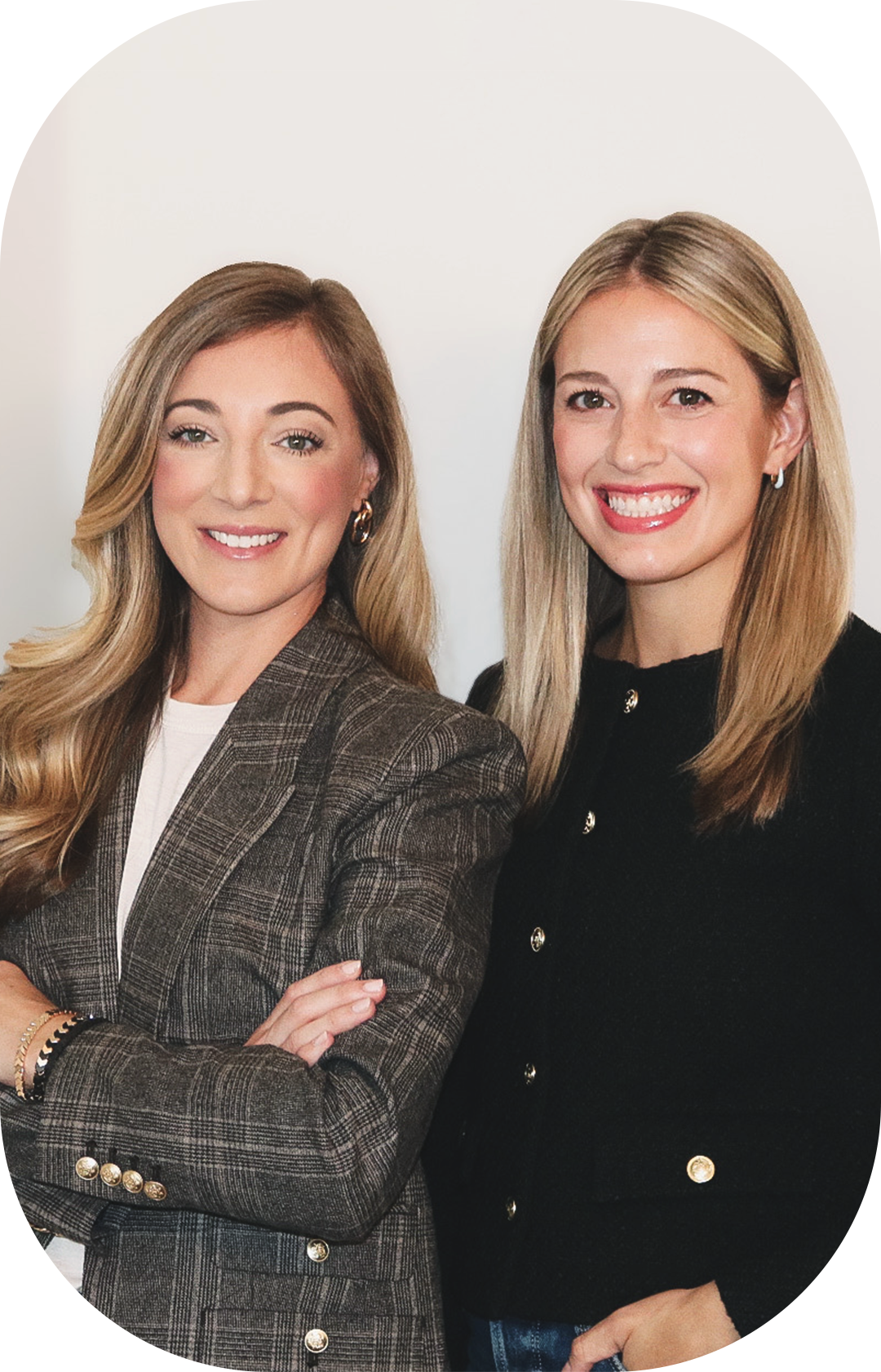
Dr. Jacobs & Dr. Rechtin
Written by Dr. Paige Rechtin and Dr. Alli Jacobs, the orthodontists at Rechtin Jacobs Orthodontics in Crestview Hills, KY, this blog is built to help patients feel informed and confident about their care. Both doctors earned their dental degrees at the University of Kentucky College of Dentistry with honors and completed advanced orthodontic training through top graduate programs. Their approach combines meticulous planning, modern technology, and Invisalign experience to create personalized treatment plans for children, teens, and adults.
As Northern Kentucky locals and busy parents themselves, Dr. Rechtin and Dr. Jacobs understand real-life schedules and work to make orthodontic care as smooth and supportive as possible. They believe great results start with listening, education, and a genuine connection with every patient and family they serve.